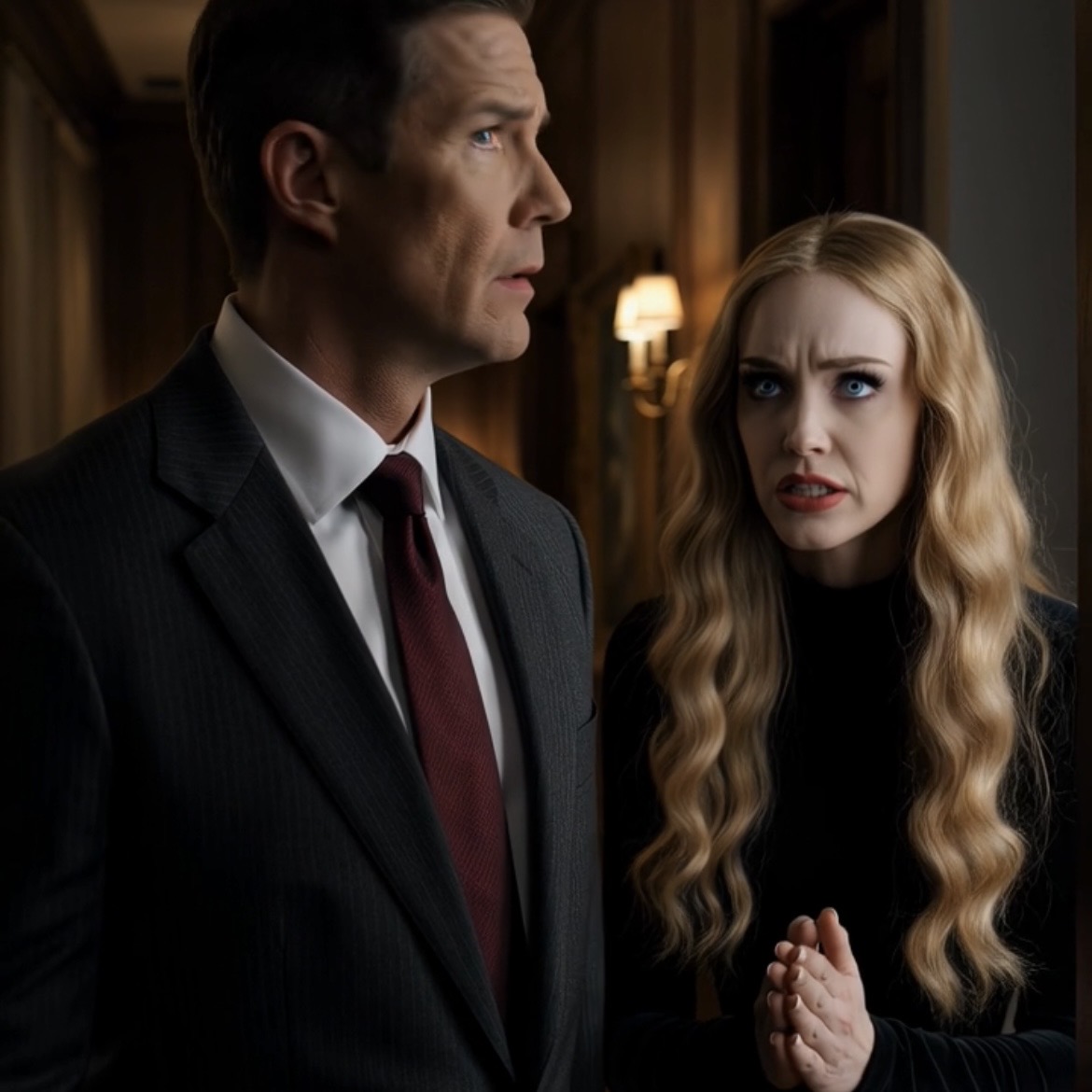
A shabby man, dressed in worn-out clothes, walked hesitantly into La Belle Vie, the most luxurious restaurant in town. His eyes scanned the glittering chandeliers and polished tables, a mix of awe and hunger in his gaze.
The manager, Mr. Grayson, noticed him immediately and frowned. “Sir, this isn’t a place for… people like you,” he sneered, stepping toward him.
A young waitress, Emma, saw the scene and quickly intervened. “Please, sir, let him stay. Everyone deserves a meal,” she pleaded.
But Mr. Grayson ignored her and, with a dismissive wave, ushered the man toward the door. “Out!” he barked. “We don’t serve your kind here!”
The poor man’s face stayed calm, but his eyes held a quiet confidence. He turned and walked away, and the staff assumed that was the end of it.
Hours later, the restaurant doors swung open again—but this time, a sleek, black luxury car pulled up outside. Out stepped the same man, now dressed in a tailored designer suit, a subtle but unmistakable aura of wealth about him.
“I believe this belongs to me now,” he said, flashing the keys to the valet. Whispers filled the restaurant as everyone turned to stare.
The manager’s face paled. “I—I don’t understand—”
“I’m the new owner,” the man said calmly. “And anyone who mistreats our guests has no place here.” He pointed to Mr. Grayson. “You’re fired.”
Then he turned to Emma, whose eyes widened in shock. “And you,” he said with a smile, “will be the new manager. Your kindness does not go unnoticed.”
The lesson was clear: appearances can be deceiving, and true character is worth more than gold.